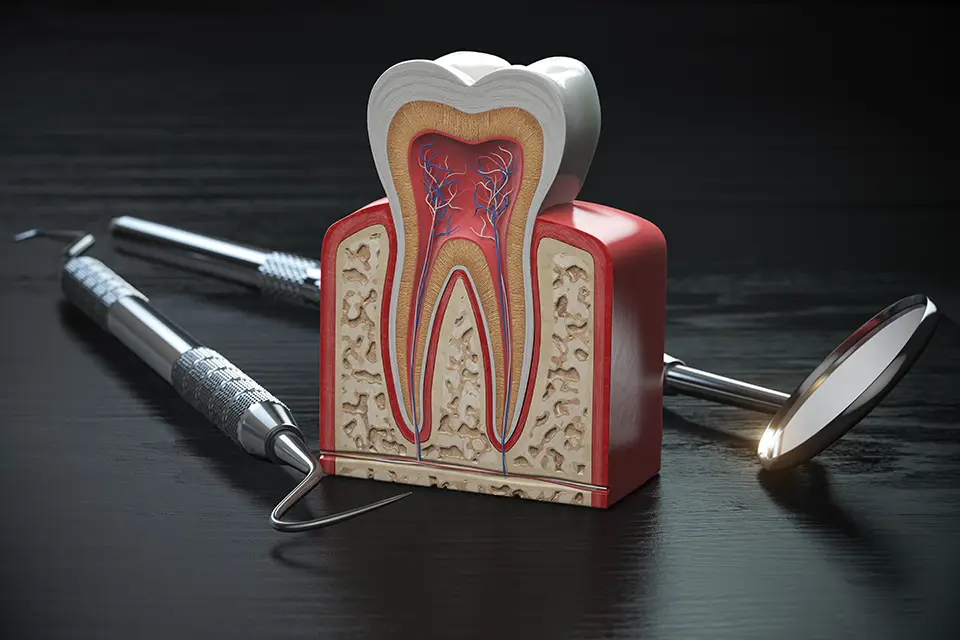
If you’re booking a painless root canal in Alliston, you’re probably worried about two things: whether the freezing will truly hold, and whether the appointment will feel rushed. At King Dental Centre, we take a comfort-first approach with dental freezing checks, clear pacing, and simple explanations, so you know what’s happening at each step. Root canal therapy treats the source of pain when a tooth infection or an inflamed nerve is driving lingering sensitivity.
This guide explains what a painless root canal in Alliston usually feels like, what happens during treatment, and how to plan for recovery, including chewing and aftercare. You’ll also learn what affects timing and cost, because every tooth and every case is different.
Does a Root Canal Hurt? The Honest Answer
Most people ask, “Does a root canal hurt?” because they picture the procedure, not the infection causing the pain. With modern dental freezing and careful technique, root canal therapy is usually felt as pressure, not sharp pain. If you notice sensation during treatment, you can say so immediately, and we can add more anesthetic before moving forward.
Afterward, mild tenderness when biting can be normal for a few days as the tissues settle. A sudden increase in pain, swelling, or a fever is not expected, and it is a reason to contact the clinic promptly. This is how a painless root canal in Alliston stays comfortable and predictable.
How We Deliver a Painless Root Canal in Alliston
At King Dental Centre, comfort starts with preparation, not guesswork. Before we begin root canal therapy, we test the tooth, review the X-ray with you, and make sure the local anesthetic has fully taken effect with a couple of quick comfort checks. You are never expected to “push through” pain. If something feels sharp, we pause, re-freeze, and only continue when we feel steady and numb.
To keep a painless root canal in Alliston predictable, we explain each step in plain language and agree on a clear stop signal so you stay in control. We work in short, calm stages, check your bite when needed, and send you home with an aftercare plan that covers eating, soreness, and when to call us.
5 Signs You Might Need Root Canal Therapy
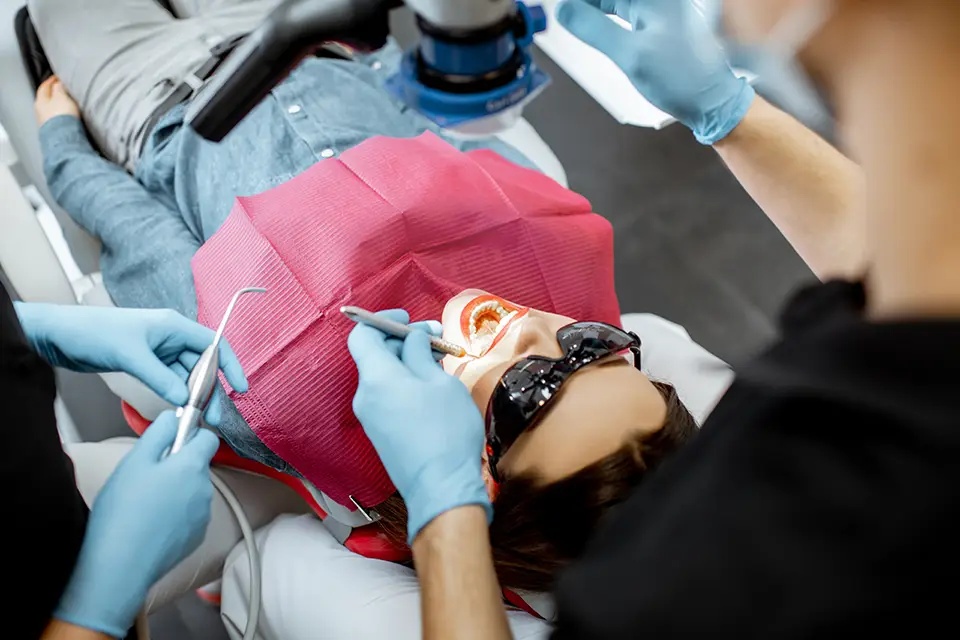
Sometimes a tooth does not “hurt,” it just keeps sending small warnings. If you are hoping for a painless root canal in Alliston, these are the most common signs that root canal therapy may be needed.
- Sensitivity to hot or cold that lingers and feels hard to ignore.
- A sharp twinge when chewing that hits in one exact spot or with light pressure.
- A gum bump, bad taste, or drainage that suggests a tooth abscess or active infection.
- Swelling, tenderness, or a “full” feeling near the tooth with jaw pressure and sore gums.
- A cracked, heavily filled, or darkening tooth with deep decay or nerve irritation.
More: Emergency Root Canal Dentist in Alliston – Fast Pain Relief
Root Canal Therapy Step-by-Step
A root canal is easier to handle when you know the order of events. If you are scheduling a painless root canal in Alliston, root canal therapy usually follows these practical steps.
- We confirm the diagnosis with an exam and X-rays, then point out what we are seeing on the image.
- We numb the area with local anesthetic, then do a quick bite and touch check to make sure you are fully frozen.
- We isolate the tooth and create a small access point, then remove the inflamed or infected tissue inside.
- We clean and shape the canals, rinse thoroughly, and disinfect to help lower the risk of reinfection.
- We seal the canals, place a filling, and review whether a crown is the safer long-term option.
- Before you leave, we cover eating, soreness, and exactly when to call if symptoms change.
Painless Root Canal Treatment in Alliston: Recovery and Aftercare
After root canal therapy, it is common to feel a tender bite for a few days, even if the deep ache is gone. Try to chew on the other side, and wait until the freezing has fully worn off before you eat, so you do not accidentally bite your cheek or tongue. Most people do well when they follow aftercare instructions and keep a gentle bite, especially after a painless root canal in Alliston.
If pain is increasing instead of settling, or you notice swelling, fever, or a bad taste that keeps coming back, call the clinic. Those signs are worth checking sooner rather than later. When symptoms are building, booking a painless root canal in Alliston early can reduce the chance of a flare-up and make recovery easier.
Painless Root Canal Treatment in Alliston: Cost of a Root Canal in Ontario
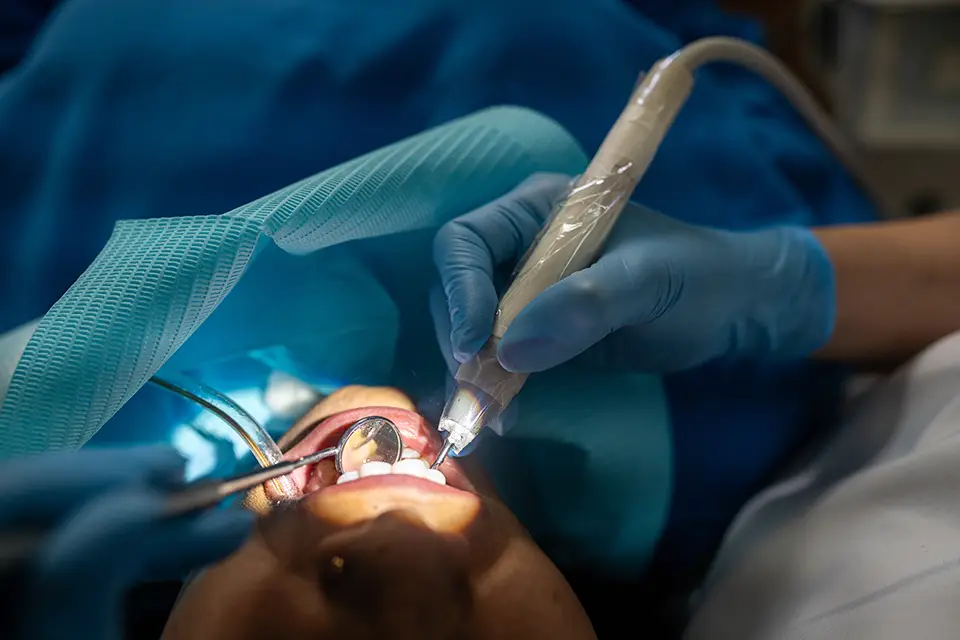
In Ontario, root canal therapy often falls somewhere around $700 to $1,600+, but that number can only be confirmed after an exam. The fee depends on the tooth, the number of canals, and how straightforward the infection is to clean and seal. Molars tend to take more time than front teeth, and the final restoration plan matters as well. A personalized estimate is most accurate when it is based on your X-rays and symptoms.
If you have insurance, coverage can vary widely between plans and annual maximums. If you are comparing options, a painless root canal in Alliston should be viewed as an investment in keeping your natural tooth functional, not just a short-term fix.
Ready to Take Care of the Tooth
If your tooth is keeping you up at night, or you are chewing on one side to avoid a sharp twinge, it is time to get a clear diagnosis. A painless root canal in Alliston starts with an exam that confirms the cause of the pain and maps out the next steps, including recovery and restoration. At King Dental Centre, we focus on comfort, first care, and clear communication throughout your visit.
Book an appointment at 193 Wellington St W, Alliston, ON L9R 1H6, and let’s get you back to eating normally.
FAQs: Painless Root Canal Treatment in Alliston
How long does root canal therapy take?
Most appointments take about one to two hours, depending on the tooth and how inflamed it is. A planned visit for a painless root canal in Alliston is often smoother than waiting for a flare-up.
Will I need a crown afterward?
Many molars do, because they handle heavy chewing forces. After your exam, we explain tooth strength risks and the best restoration option.
Can I go back to work the same day?
Many patients can, but numbness and mild soreness can affect speaking or eating. We will give aftercare guidance and clear return to routine expectations.